Good graphic design does more than make a business look polished. It helps people understand what you do, trust what they see, and decide whether to keep reading. If you have ever wondered why one logo feels memorable while another disappears, or why one brochure feels clear while another feels like hard work, you are already asking the right question.
The short answer is that professional design turns scattered visual choices into a coherent system. AIGA describes design as something that improves both the appearance and the function of messages, while Nielsen Norman Group explains how visual hierarchy helps readers know where to look first. Those are not decorative ideas. They are the reason good design reduces confusion and makes a business easier to trust. AIGA’s definition of design and NNGroup’s visual design principles are worth keeping close if you want a plain-language way to think about the topic.
The real benefit of professional graphic design services is clarity. When your logo, color palette, typography, social graphics, print pieces, and website all tell the same story, people do not have to work as hard to understand your business. That extra clarity can lower friction in the sales process, improve how your brand is remembered, and make every other marketing effort work a little better. If you want to compare that work with the services behind it, start with the services page and then explore related notes on the blog.
What professional graphic design actually means
Professional graphic design is the practice of using type, color, spacing, imagery, and layout to communicate a message on purpose. That sounds simple, but there is a lot of judgment inside it. A professional designer is not just making things “look nice.” The work is about deciding what should be noticed first, what should be secondary, and how the whole piece should feel when someone sees it for only a few seconds.
Figma’s plain-English overview of what graphic design is is useful here: design is a visual way of communicating ideas. That definition is broad enough to include logos, flyers, social posts, sales sheets, websites, packaging, and presentation decks. Once you see design that way, the value becomes easier to understand. Every touchpoint is a chance to help a customer feel oriented instead of overloaded.
There is also a clear difference between professional and amateur work. Amateur design often shows up as mismatched fonts, weak spacing, too much text, unclear contrast, and a layout that forces the reader to guess what matters. Professional design does the opposite. It uses fewer moves more carefully, which usually makes the piece feel easier to read and more credible at the same time.
Signs of professional design
- Typography is consistent and easy to scan.
- Color choices support the message instead of competing with it.
- White space gives the layout room to breathe.
- Images and icons have a clear purpose, not just decoration.
- The piece feels connected to the wider brand, not like a one-off file.
Why the investment pays off for businesses
Professional design services are worth the cost because they improve the way people experience your business before they ever talk to you. That matters for a small local firm, a growing service company, and a national brand alike. People tend to trust what feels orderly. They also tend to question what feels rushed, even if they cannot explain why.
NNGroup’s explanation of visual hierarchy is a good reminder that readers do not absorb a page evenly. They scan it. They look for cues. They decide what to ignore. Design shapes that path. When a business uses professional design, it helps the right message arrive sooner and with less effort.
| Business goal | What professional design helps with | Why it matters |
|---|---|---|
| Brand recognition | A consistent logo, palette, and typography system | People remember a repeatable visual pattern more easily than a scattered one. |
| Customer trust | Clean layouts, readable text, and careful image choices | Good presentation signals that the business pays attention to details. |
| Marketing results | More focused ads, flyers, brochures, and web pages | Better hierarchy and stronger copy support clearer calls to action. |
| Operational ease | Reusable templates and a simple brand system | Your team spends less time reinventing basic materials. |
There is also a practical cost-saving angle. A well-built visual system reduces rework. If your team has to fix every new flyer, social post, or one-sheet from scratch, the real expense is not just design time. It is the repeated confusion that comes from having no system at all. That is why good design is often less about flair and more about building a repeatable structure that anyone on the team can follow.
For businesses that also need to sort out repetitive digital tasks, a separate workflow plan can help them figure out where AI fits before they add automation to their workflow. That is not a design substitute. It is simply one more way to keep the back office from becoming a pile of improvised shortcuts.
A side-by-side look at amateur and professional design
One of the clearest ways to judge design is to compare how two versions handle the same kind of business communication. A professional piece gives the reader a calm path through the message. A rougher version asks the reader to sort out the layout before they can even get to the point.
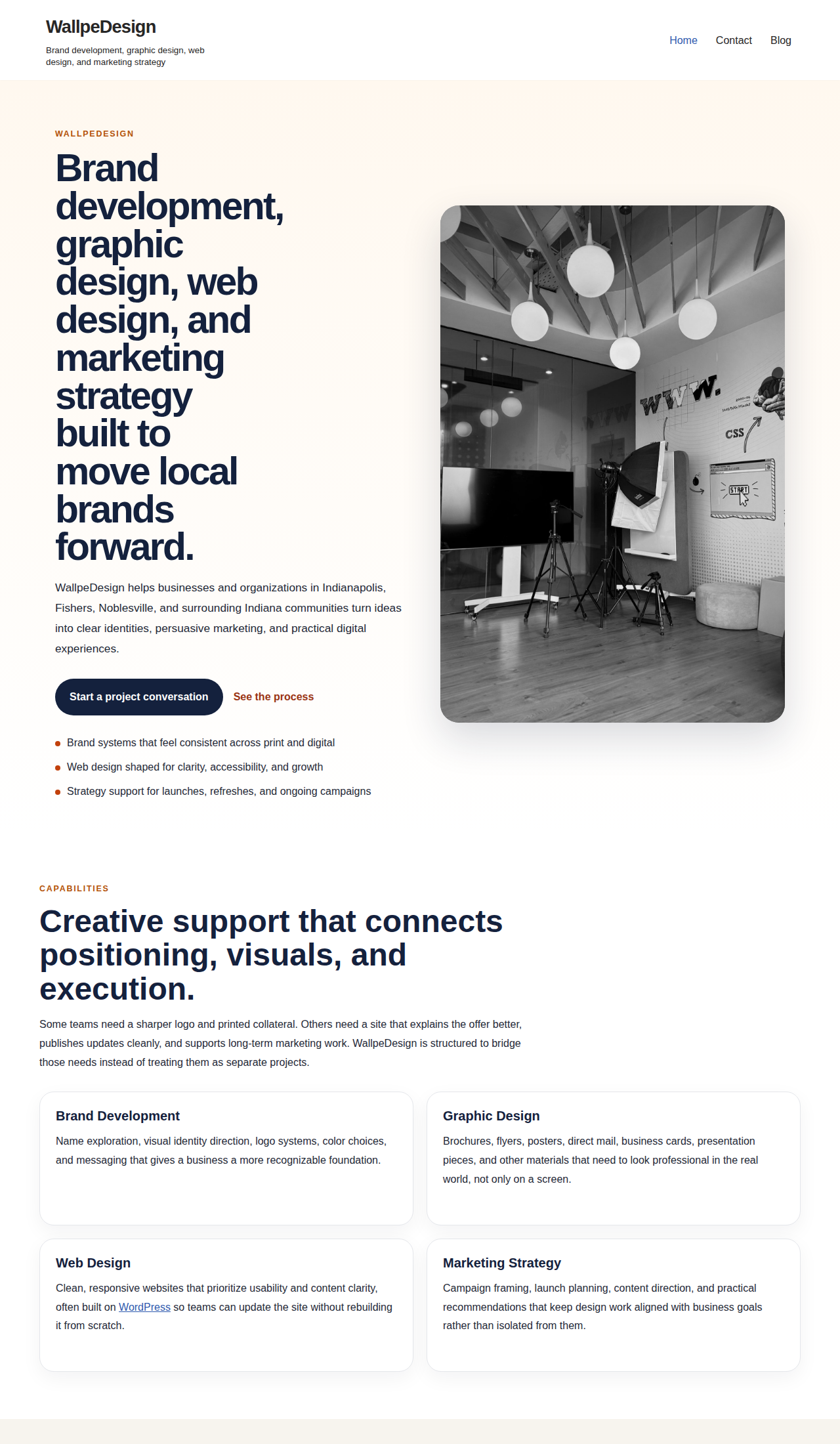
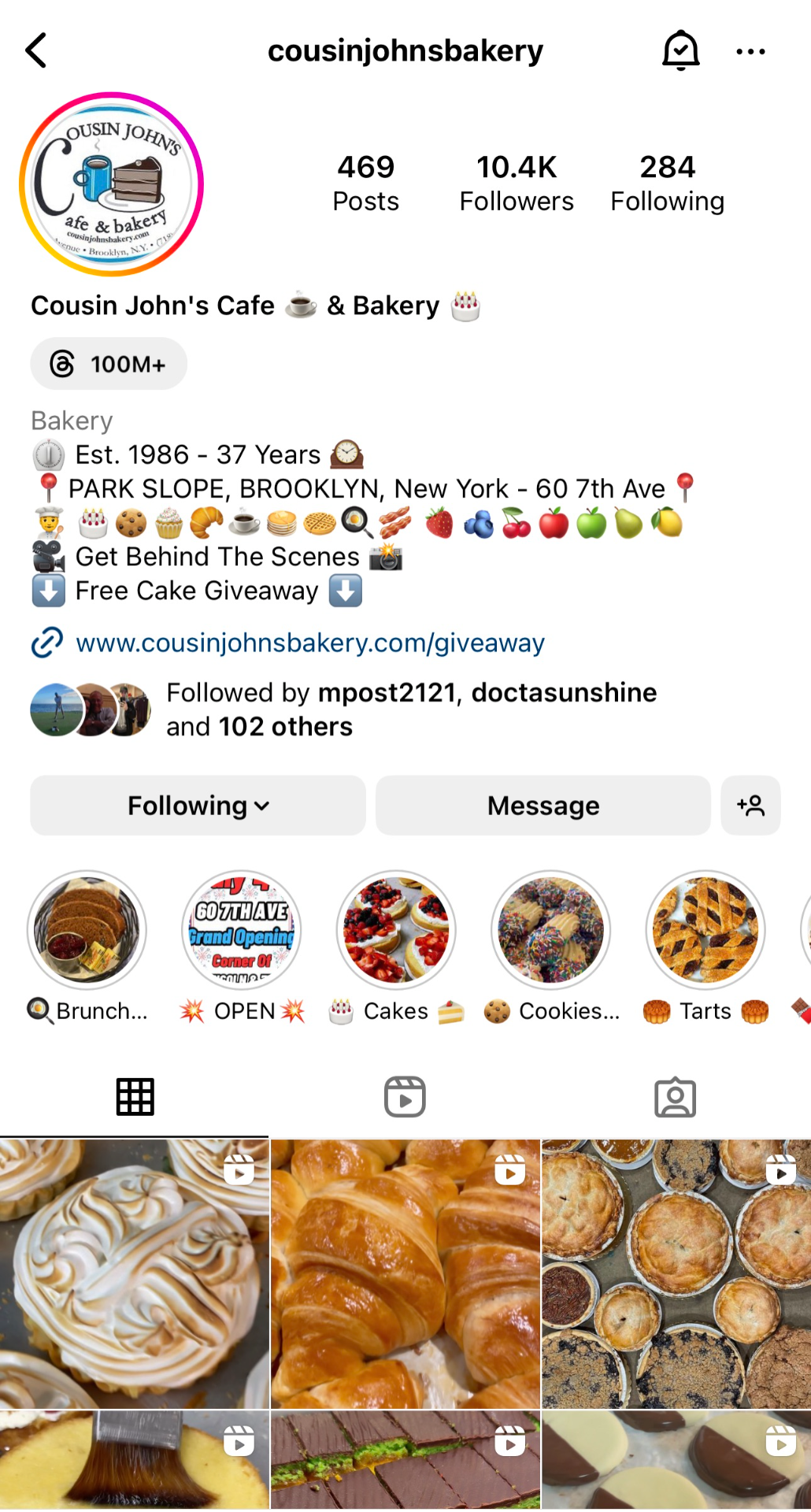
The point is not that every rough layout is worthless. The point is that design quality changes how much effort the reader must spend to understand you. When the layout is doing its job, the message feels easier to trust.
Case studies that show why design matters
When people ask whether design really changes business outcomes, I like to point them to brand systems that have to work at scale. The point is not that every company should copy the same style. The point is that successful businesses use design to make their message easier to recognize and their experience easier to trust.
Mailchimp: a brand refresh that matched growth
Mailchimp’s new brand announcement explains that the company rebuilt its identity and customer experience so the brand could scale with the business. That is a classic reason to invest in professional design. Once a company grows beyond its original audience, the old look can start to feel cramped, inconsistent, or simply too small for what the business now does.
The useful lesson is not “make everything trendy.” It is to make the visual system flexible enough to support new products, new channels, and a broader audience without losing recognition. A good designer thinks about that future pressure before it becomes a mess.
Dropbox: consistency across the whole brand system
Dropbox’s brand guidelines show how much care goes into keeping a design system consistent across icons, colors, and visual language. That consistency matters because customers do not experience a business in one clean burst. They see it in email, on a landing page, in an app, on a billboard, and in a help document. Every touchpoint either reinforces the brand or weakens it.
That is one reason professional graphic design services are about more than a logo. A real service engagement helps create a system the whole organization can use. It keeps the work recognizable without forcing every asset into the same rigid box.
How to choose the right design firm
Choosing a design firm is easier when you know what to ask. You are not just hiring someone who knows software or likes good-looking layouts. You are hiring someone who can translate business goals into a visual system that still makes sense six months from now.
Here is the practical way to evaluate a firm:
- Review the portfolio carefully. Look for range, but also consistency in quality.
- Ask what problem each project was solving. A good designer can explain the thinking, not just show the final image.
- Check for process. Discovery, drafts, revision rounds, and handoff should be clear.
- Ask how they handle brand consistency. You want more than a one-time logo file.
- Ask what happens after launch. A design system should be usable by real people on your team.
If the firm can only talk about style, keep looking. Style matters, of course, but it is not the whole job. The best partners can explain how they will help your business communicate, not just decorate.
If you are comparing agencies and you need to decide whether routine content tasks should be handled by people, templates, or automation, an outside resource like AI consulting services can help you think through that workflow before you commit to anything. That kind of planning is especially useful when a team has a lot of files, approvals, or repeatable marketing work.
Questions worth asking before you hire
- What kinds of businesses have you designed for before?
- How do you decide which visual direction fits a brand?
- What deliverables will I receive at the end of the project?
- How do you make sure the work is usable by my team after handoff?
- Can you show me an example of a project that improved clarity or consistency?
Those questions are simple on purpose. You do not need to sound like a design critic to make a good decision. You just need a firm that can answer plainly and show its thinking.
What professional design changes in day-to-day marketing
Good design does not just live in a logo file or a brand book. It shows up everywhere your business speaks. A consistent design system makes your marketing easier to produce, easier to review, and easier for customers to recognize.
Here is where businesses usually feel the difference first:
- Website pages become easier to scan, which helps visitors find what they need.
- Print materials stop feeling like isolated one-offs and start feeling like part of a real brand.
- Social media graphics become more recognizable from post to post.
- Sales sheets and proposals feel more trustworthy when the layout is clean and the message is focused.
- Internal templates save time because the team is not rebuilding the same basics over and over.
That is why I usually think of design as a quiet operating system for the brand. When it works, people barely notice the mechanics. They just experience a business that seems organized and dependable.
Conclusion
Professional graphic design services are worth the investment because they help a business communicate more clearly, look more credible, and build a stronger visual memory in the minds of customers. They also make the day-to-day work of marketing and content creation easier, which is often the part people forget to count.
If your current materials feel inconsistent, crowded, or dated, that is not a moral failure. It usually means the business has outgrown its old visual habits. A thoughtful designer can help you replace guesswork with a system that is easier to use and easier to trust.
If you want to take the next sensible step, review the services offered by WallpeDesign, then look through the blog for more practical guidance on branding, web design, and marketing. A better design process starts with a better set of questions, and the good ones are usually simpler than people expect.
Key takeaways:
- Professional graphic design strengthens brand identity and recognition.
- Clear layouts and consistent visuals build trust faster than improvised design.
- Good design improves marketing performance by making messages easier to read and remember.
- Case studies like Mailchimp and Dropbox show how visual systems support growth.
- The right design firm should explain its process, not just its style.