Graphic design trends are useful only when they sharpen the message, not when they distract from it.
Business owners usually come to this topic with a few practical questions in mind: Which design ideas still feel current? Which trends are actually usable for a small or mid-sized brand? And how do you update a visual system without rebuilding everything at once?
Design is the silent ambassador of your brand.
Paul Rand
That line holds up because design trends are rarely just decoration. They influence how quickly people understand an offer, whether a brand feels current, and how consistent a business looks across print, web, and social channels. Adobe’s 2023 creative trends forecast pointed to expressive visuals, layered nostalgia, and more human textures, while Pantone’s 2023 color direction captured the same appetite for energy and confidence. What we can say with confidence is that 2023 rewarded brands that looked more distinctive and less generic.
This article looks at the main graphic design trends of 2023, how businesses can apply them without forcing the style, and what local examples can teach us about making those choices practical.
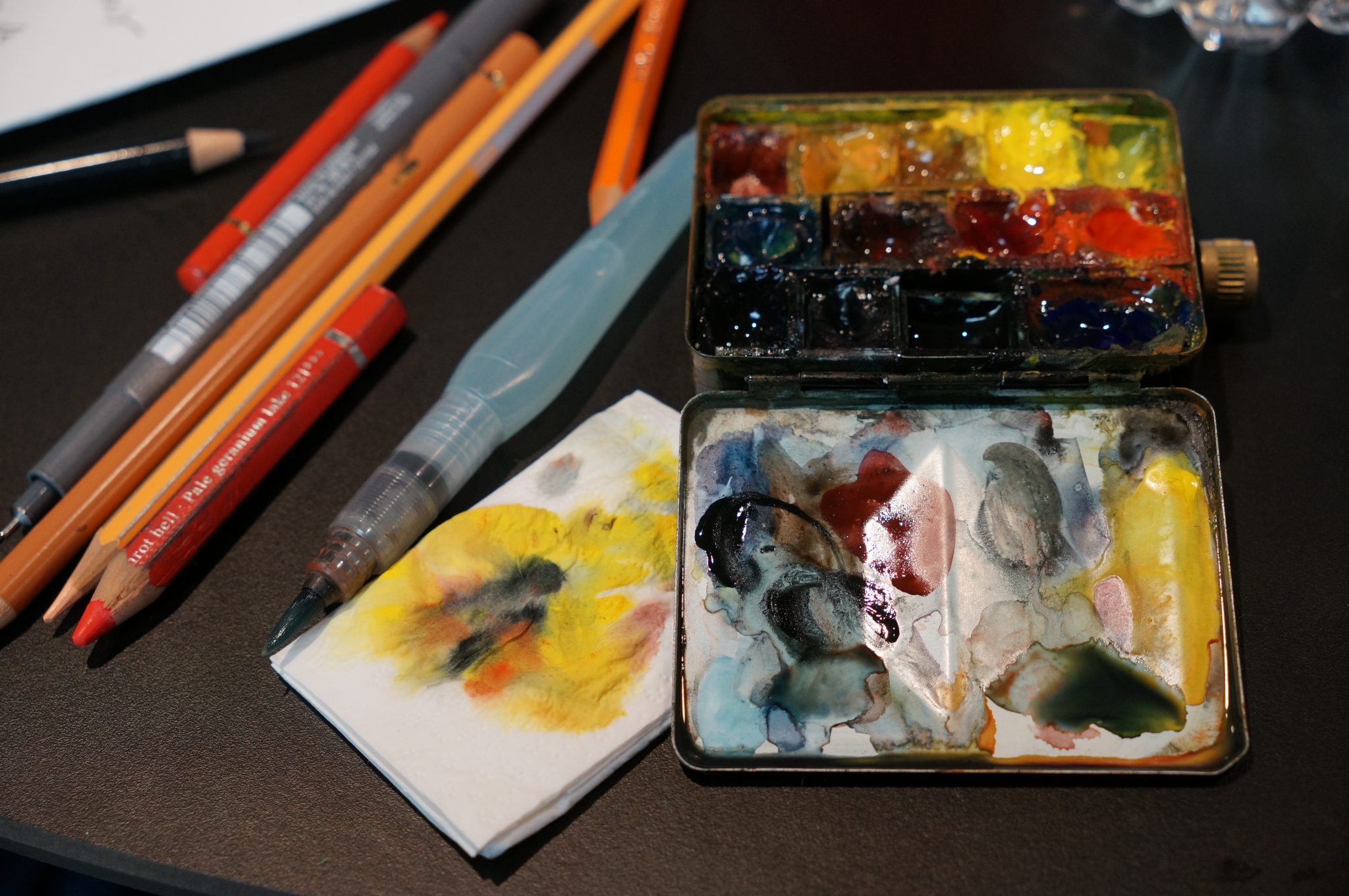
Overview of the top graphic design trends for 2023
Several trends defined the year, but they shared one underlying idea: businesses wanted visual identities that felt more memorable, more tactile, and easier to recognize at a glance. Instead of sterile minimalism everywhere, designers leaned toward personality. Instead of complicated layouts, many brands used stronger hierarchy and clearer focal points.
| Trend | What it looks like in practice | Why it matters for businesses |
|---|---|---|
| Bold simplified brand marks | Cleaner logos, stronger shapes, fewer unnecessary details | Improves recognition across websites, packaging, signage, and social avatars |
| Saturated color with confident contrast | Richer palettes, accent colors, and more intentional use of high-energy tones | Helps brands stand out in crowded feeds and marketing materials |
| Expressive typography | Large headlines, mixed serif and sans-serif pairings, stronger type hierarchy | Makes the message easier to scan and gives the brand more character |
| Handmade textures and collage influences | Brush textures, grain, cut-paper effects, and layered compositions | Adds warmth and keeps digital marketing from feeling too uniform |
| Illustration blended with photography | Icons, overlays, and custom graphics supporting real product or team imagery | Creates a distinct visual language without losing credibility |
| Accessibility-minded digital layouts | Readable contrast, responsive spacing, and clearer navigation | Supports usability for more visitors and protects design decisions from becoming style-only experiments |
The useful takeaway is that 2023 design was not really about chasing one look. It was about creating a system that felt deliberate. For some brands, that meant a quieter refresh. For others, it meant finally adding the color, typography, and visual confidence that had been missing.
How to implement these trends without losing brand clarity
The safest approach is to treat trends as tools, not rules. A business does not need a full rebrand every January. It needs to identify where the current presentation feels dated or inconsistent, then update the most visible parts first.
- Start with a visual audit. Review your homepage, social headers, printed collateral, presentation templates, and any sales materials. The goal is to spot gaps in consistency before adding new style cues.
- Refresh typography before replacing everything else. Often a stronger heading system and better spacing make a brand feel more current with less disruption.
- Use color strategically. A new accent color or a better contrast system can modernize ads, banners, and brochures without changing the core identity.
- Layer texture carefully. Grain, collage, and illustration work best when they support the message. If the effect overwhelms the content, the trend is doing too much.
- Protect usability in digital layouts. The W3C accessibility guidance is a useful baseline for contrast, navigation, and readability. Context matters: a trend that looks striking in a poster may fail on a mobile screen.
For businesses that need outside help applying those changes, the practical route is usually a small system update rather than a total reset. That might mean revising the color palette, tightening the typography, and aligning the website with printed materials. WallpeDesign’s contact page is the best next step when a brand needs a focused design refresh or a staged update across print and digital materials.
Examples from local businesses
Local examples are useful because they show how trends become real brand decisions. They do not prove a guaranteed business result, but they do show what a current visual system looks like when it is applied consistently.
Sun King Brewery: bold illustration and color blocking
Indianapolis-based Sun King Brewery offers a strong example of how saturated color, illustration, and simplified graphic shapes can make a brand immediately recognizable. The packaging and promotional materials feel energetic without becoming messy. That is a useful 2023 lesson: bold visual language works best when the structure underneath it stays disciplined.
The Cake Bake Shop: maximal detail with a coherent identity
The Cake Bake Shop, founded in the Indianapolis area, leans into ornate typography, decorative flourishes, and richly styled imagery. It is a reminder that not every modern design trend points toward minimalism. In the right setting, a more layered and theatrical approach can still feel current when the visual system is cohesive and consistently executed.
These examples land on opposite sides of the visual spectrum, which is precisely the point. A trend becomes useful only after it is filtered through the brand’s audience, product, and personality.
Benefits of staying current with graphic design trends
Staying current does not mean becoming trendy for its own sake. It means avoiding visual drift. When a brand’s design language falls too far behind, the business can start to look less attentive, less credible, or simply harder to understand.
- Stronger first impressions: modern design cues can help a business look active and well-maintained.
- Better brand recall: distinctive typography, color, and layout make it easier for people to remember who they just saw.
- Improved message clarity: clearer hierarchy helps visitors find the offer, the proof, and the next step faster.
- More consistency across channels: trend-aware updates often force useful alignment between the website, social content, presentations, and printed pieces.
- A better base for future campaigns: once the system is cleaner, new promotions and launches are easier to design without reinventing everything.
Available evidence and day-to-day observation point in the same direction: the brands that benefit most from design updates are usually the ones that treat them as part of communication strategy, not as surface decoration.
Conclusion
The top graphic design trends for 2023 pushed businesses toward clearer identity systems, more expressive typography, bolder use of color, and more human visual texture. The question is not whether every trend fits every brand. The useful question is which of these ideas can make your message easier to see, remember, and trust.
If your current materials feel inconsistent, start small: audit the most visible touchpoints, tighten the hierarchy, and modernize the elements that carry the most brand weight. Then continue with the next round of updates from a stronger base. For more ideas, visit the WallpeDesign blog or use the contact page before planning the next refresh.